
The best token standard for Real World Assets (RWAs)
DEPENDING ON VARIOUS FACTORS, INCLUDING THE SPECIFIC USE CASE, REGULATORY CONSIDERATIONS, AND THE DESIRED FEATURES.
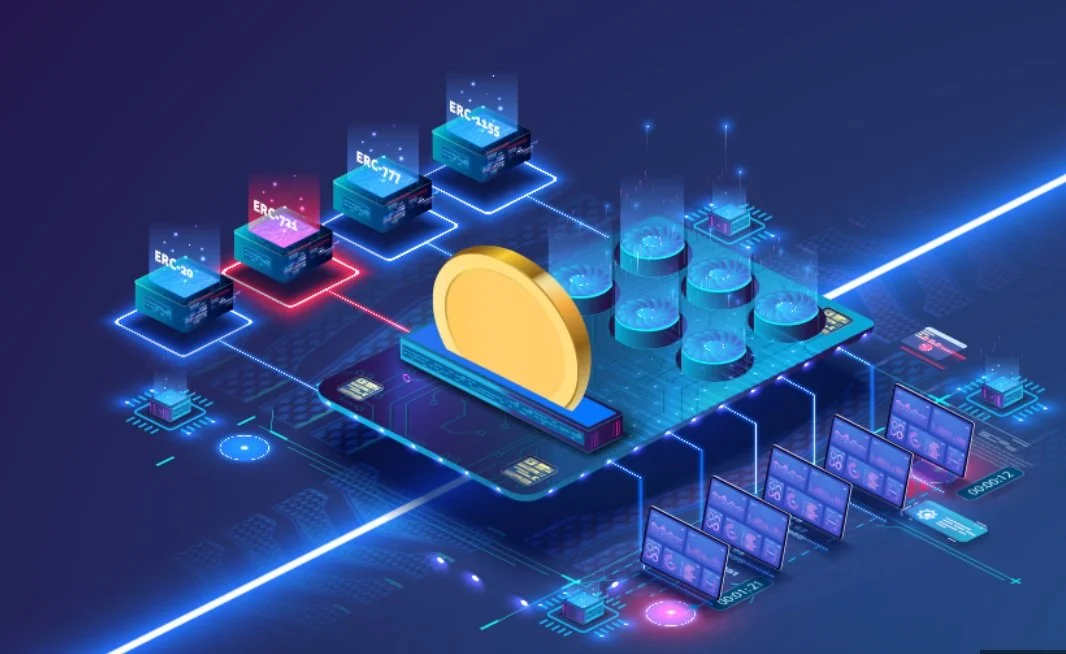
The choice of the best token standard for Real World Assets (RWAs) DEPENDS ON VARIOUS FACTORS, INCLUDING THE SPECIFIC USE CASE, REGULATORY CONSIDERATIONS, AND THE DESIRED FEATURES.
Here are some token standards commonly considered for RWAs:
ERC-20: ERC-20 is one of the most widely adopted token standards on the Ethereum blockchain. It is versatile and suitable for a wide range of tokens, including RWAs. However, it may require customization to meet specific RWA requirements, such as regulatory compliance and ownership restrictions.
Security Token Standards (ST-20, R-Token): Security token standards, such as ST-20 (Polymath) and R-Token, are designed specifically for security tokens representing assets like real estate, stocks, and bonds. These standards often incorporate regulatory compliance features, including Know Your Customer (KYC) and Anti-Money Laundering (AML) checks.
ERC-1400: ERC-1400 is a security token standard that extends the capabilities of ERC-20 and ERC-777 tokens. It includes features like partitioning, allowing for different levels of access and compliance with regulations like the Security Token Offering (STO) framework.
Tezos FA2: Tezos FA2 is a token standard for the Tezos blockchain and is suitable for representing RWAs. Tezos is known for its focus on smart contract safety and formal verification, which can be valuable for tokenizing valuable assets.
Binance BEP-20: BEP-20 is the token standard for the Binance Smart Chain (BSC). It offers compatibility with Ethereum's ERC-20 standard and can be considered if you prefer BSC for tokenization.
Custom Token Standards: In some cases, RWAs may require custom token standards tailored to specific asset types or regulatory requirements. These standards can be developed to meet unique needs.
The choice of token standard should be made based on a thorough assessment of the project's requirements, including regulatory compliance, blockchain platform preferences, and the desired features. Additionally, consulting with legal experts and blockchain developers experienced in tokenization can help make an informed decision.
Some additional token standards and platforms that can be considered for tokenizing Real World Assets (RWAs):
TRC-20: TRC-20 is a token standard on the TRON blockchain. It offers compatibility with Ethereum's ERC-20 standard and can be used for tokenizing RWAs on the TRON network.
Algorand ASA: Algorand Standard Assets (ASAs) are tokens native to the Algorand blockchain. They are highly customizable and can be used for tokenizing a wide range of assets, including RWAs.
EOSIO Tokens: EOSIO-based blockchains, like EOS and WAX, have their token standards. These can be used for tokenizing assets, and they provide high throughput and scalability.
NEM Mosaic: NEM blockchain features Mosaic tokens, which can represent various assets, making them suitable for RWAs.
Hyperledger Fabric Tokens: Hyperledger Fabric is a permissioned blockchain platform that can be used for tokenizing assets in enterprise environments. It supports the creation of custom token standards based on specific use cases.
Stellar Tokens (STOs): Stellar's blockchain offers the ability to tokenize assets and has its own token standards. It's known for its low transaction costs and fast settlement times.
Tezos FA1.2: In addition to FA2, Tezos also has the FA1.2 token standard, which is simpler than FA2 and may be preferred for certain RWA use cases.
Cardano Native Tokens: Cardano introduced native tokens on its blockchain, allowing for easy creation and management of tokens. It's a promising platform for tokenizing RWAs.
Polkadot Parachain Tokens: Polkadot is a multi-chain platform, and various parachains can have their token standards. It's a scalable option for tokenization.
Custom Smart Contracts: In some cases, instead of using predefined token standards, custom smart contracts can be developed on blockchain platforms like Ethereum, Binance Smart Chain, or others to create tokens specifically tailored to the RWA's requirements.
When choosing a token standard for RWAs, it's essential to consider factors such as the blockchain platform, scalability, security, regulatory compliance, and the ability to customize the token to meet the unique needs of the asset being tokenized. Consulting with blockchain developers and legal experts is often recommended to make an informed decision
A deeper dive on security tokens.
The website https://thesecuritytokenstandard.org/ provides information related to security tokens and their standards. Security tokens are digital representations of real-world assets and securities. Their role is to tokenize these assets, allowing them to be traded on blockchain networks.
Here's a brief explanation of the website and its relevance to Real World Assets (RWAs):
The Security Token Standard Website: This website likely serves as a resource hub for information on security tokens, including standards and best practices for their issuance and management. While the specific content on the website isn't available in the search results, it's common for such websites to provide guidance and industry insights.
Role in Tokenizing RWAs: Security tokens play a crucial role in tokenizing RWAs. Real World Assets encompass a wide range of physical and financial assets, such as real estate, art, stocks, bonds, and more. By converting these assets into security tokens, they can be represented digitally on a blockchain. This process brings several advantages:
Increased Liquidity: Tokenized RWAs can be traded 24/7, offering greater liquidity compared to traditional markets.
Fractional Ownership: Security tokens enable fractional ownership, allowing multiple investors to own a portion of an asset.
Reduced Intermediaries: Tokenization reduces the need for intermediaries in asset transactions, potentially lowering costs and streamlining processes.
Global Accessibility: Investors worldwide can access and invest in tokenized RWAs.
Transparency and Security: Blockchain technology ensures transparency and security in asset ownership and transactions.
In summary, while the specific content of the website is not provided, it likely offers information and standards related to security tokens, which play a significant role in the tokenization of Real World Assets, offering benefits like increased liquidity, fractional ownership, and improved accessibility to a global investor base. For more detailed information, you may want to visit the website directly.